The garage door motor, more formally known as the door operator or drive unit, is the mechanical heart of any automated garage system. It converts electrical energy into the controlled movement that opens and closes the door hundreds or even thousands of times over its operational lifespan.
Motor-driven garage door systems have become the standard expectation in Australian residential and commercial properties over the past two decades.
Like any electromechanical device subjected to repeated load cycles, garage door motors are susceptible to wear, component fatigue, and eventual failure.
Overheating is one of the most frequently encountered causes of motor malfunction. alignment Drive units that are forced to work against an unbalanced door, one with worn springs, a misaligned track, or a damaged roller, draw far more current than designed, causing internal components to overheat and triggering thermal protection shutdowns.
Power surges and voltage fluctuations are another significant risk factor for garage door motors across southeast Queensland. Thunderstorm activity, which is frequent throughout the Gold Coast's summer season, can send damaging voltage spikes through the electrical system that destroy motor control boards and capacitor circuits.
A1 Garage Doors Gold Coast technicians frequently attend callouts where the visible symptom is a non-responsive motor, but the underlying cause is a fried circuit board resulting from an unprotected power surge. In these cases, installing a surge protector alongside the replacement motor is strongly recommended to prevent a recurrence.
Read more here also:
https://www.google.com/maps/d/edit?mid=1iVQsvH_vturoAqAETXcoS1AWs-YJL5M&usp=sharing
https://www.google.com/search?kgmid=/g/11sd92tnkk
newsroom.submitmypressrelease.com
The Associated Press
Digital Journal
https://www.digitaljournal.com/pr/news/prodigy-press-wire/a1-garage-doors-gold-coast-1509426588.html
Albuquerque Express
Atlanta Leader
Austin News.net
Baltimore Star
Big News Network.com
Birmingham News.net
Boston Star
Buffalo News.net
Charlotte News.net
Chicago Chronicle
Cincinnati News.net
Cleveland Star
Connecticut State News.net
Dallas Sun
Denver News.net
Detroit Star
Florida State News.net
Houston News.net
Indianapolis News.net
Kansas City Post
Los Angeles Herald
Louisville News.net
Memphis Sun
Miami Mirror
Milwaukee News.net
Minneapolis News.net
Nashville Herald
New York State News.net
Oklahoma City News.net
Orange County Sun
Philadelphia News.net
Phoenix Herald
Pittsburgh Star
Portland News.net
Raleigh Times
Salt Lake City Sun
San Diego News.net
San Francisco Star
San Jose News.net
Seattle Bulletin
Silicon Valley News.net
South Carolina State News.net
St Louis Star
The Las Vegas News.net
The Orlando News.net
The Tampa News.net
Washington DC News.net
ChineseWire
The Daily News
Magnolia State Live
The Orange Leader
Port Arthur News
Picayune Item
L'Observateur
The Panolian
Americus Times-Recorder
The Advocate-Messenger
American Press
The Daily Leader
The Oxford Eagle
Bluegrass Live
Claiborne Progress
Elizabethton Star
The Jessamine Journal
The Kenbridge Victoria Dispatch
The Clemmons Courier
Harlan Enterprise
Ironton Tribune
Davie County Enterprise Record
The State Journal
The Charlotte Gazette
The Interior Journal
The Tryon Daily Bulletin
The Winchester Sun
Farmville Herald
Salisbury Post
Cordele Dispatch
Middlesboro News
The Post Searchlight
Washington City Paper
Leesville Leader
The Prentiss Headlight
Beauregard News
Hattiesburg.Com
Boreal Community Media
MB News
Times of San Diego
Chester County Press
WNC Business
Ashland Town News
Franklin Town News
Holliston Town News
Hopedale Town News
Natick Town News
Medway & Millis Town News
Norfolk & Wrentham Town News
Norwood Town News
Riverton Journal
Columbia Business Monthly
Sugar House Journal
Herriman Journal
Holladay Journal
Murray Journal
Millcreek Journal
South Salt Lake Journal
Midvale Journal
Draper Journal
Taylorsville Journal
West Jordan Journal
Sandy Utah News
South Jordan Journal
The City Journals
West Valley City Journal
Cottonwood Heights Journal
The Auburn Sentinel
Chillicothe Voice
Connect Iredell
FACE Magazine
Fayetteville Connect
The Gridley Herald
Jewish Link
My Parish News
RSW Living
The Sacramento Oracle
Taos News
The Territorial Dispatch
TOTI
The Wheatland Sun
Bonita & Estero Magazine
Cape Coral Living
Gulf & Main
Times of the Islands
Milford Free Press
CBS Lake Charles
Racine County Eye
eNews Park Forest
Augusta Business Daily
Idaho Enteprise
Eye on Dunn County
The Pioneer
Baker City Herald
Beaverton Valley Times
The Bulletin
Blue Mountain Eagle
Capital Press
Central Oregonian
Chinook Observer
Columbia County Spotlight
The Daily Astorian
East Oregonian
Estacada News
Forest Grove News-Times
Herald Pioneer
Hermiston Herald
Hillsboro News-Times
La Grande Observer
Lake Oswego Review
The Madras Pioneer
Milwaukie Review
Newberg Graphic
Oregon Capital Insider
Oregon City News
Portland Tribune
Redmond Spokesman
Rogue Valley Times
Sandy Post
Seaside Signal
The Bee
The Outlook
Valley Times
Wallowa County Chieftain
West Linn Tidings
Wilsonville Spokesman
Woodburn Independent
Your Oregon News
The News Courier
The Cullman Times
The Daily Iberian
The Valdosta Daily Times
Dalton Daily Citizen
Moultrie Observer
The Lake Oconee Breeze
Meridian Star
Thomasville Times-Enterprise
St. Claire News-Aegis
The Union-Recorder
Tifton Gazette
KCCR-AM
KBEW - The Information Station
Travels HQ
A Green Sign
UK Uncut
Awesome
Pierre Country
NEWSnet Austin
NEWSnet Detroit
NEWSnet Odessa
NEWSnet Sacramento
NEWSnet Portland
NEWSnet St. Louis
NEWSnet Salt Lake City
Adrienne Monson
Business Times
E-Topical
God Of Sound
Gold Mining News
Loop Biz
Robo Earth
Newsblaze - AU
Blackberry Empire
Spiritual Quotes
Newsblaze - IN
Operation Infinite Justice
RushPR News
Clean Web
NEWSnet Minneapolis
NEWSnet Monterey
NEWSnet Sioux Falls
Baltimore News Journal
Wired News Engine
The Great News
Bomb Report
Acting Auditions
Z106.3
SuccessXL
UTV.ie
Maui Sky
Flore De Champagne
News Radio KOTA
Classic Hits 92.3
South Ark Daily
XBODE
NEWSnet Anchorage
NEWSnet San Antonio
SM Solar
SourceFed
Sexuality
Easy House Remodeling
NEWSnet Louisville
Childcare Partnerships
Sharism
Thrive Insider
Webe Honey
NEWSnet Columbus
NEWSnet Palm Springs
KYNT-AM
NEWSnet Las Vegas
TV Show Auditions
Small Business Sense
World of Video Gaming
NBlaz
Axcess News
Words Journal
Try Mental Wellness
Presby Camp
NEWSnet Columbia
Film Television Auditions
Teethgrinder
Cultural Foundation
Celeb Homes
Movie Casting Call
NEWSnet Michigan
Phenomena
Career Savvy
NEWSnet Nashville
Therapy But Better
Top Globe News
NEWSnet Waco
California Consumer Banking
Middletown Life
NEWSnet Myrtle Beach
NEWSnet Quincy
Quebec News Tribune
Top Travel Trends
The Dishh
Brown Planet
Boca Raton City Online
Diet & Fitness For All
TWEETER
Reipet
Aussie 8
Military Parenting
Smart Talk
NEWSnet Fresno
NEWSnet Augusta
Agree
NEWSnet Los Angeles
All Podcasts
Entreprenerd
SportsnewsHIGHLIGHTS
Austin Top 50
Men Under Microscope
Altius
Washington Guardian
Max Mention
Storytelling Co
Recent Legal News
NEWSnet Hawaii
World City Press
Spazio Tribu
Eagle Country
The Point News
Client Internet Marketing
The Glimpse
Annika Bansal
E-Business Planet
XPR Media
NEWSnet Norfolk
Side Car
blerp
Capital Hill Times
Brights Future
IM One
Current 94.3
NEWSnet Boise
Rogue.
1st Counsel
Pluralist
The NYC Times
BuyersDesire.
Adam Torkildson
NEWSnet Tampa
Gamezon
LuxedB
Good Sciencing
Paraskevas
Hub Spotes
Jardal Paintball
Mmminimal
Hotel E-Guide
Digital Ad Blog
Lincoln Labs
Fairy Tale Ink Books
Only Golf News
Inspired N
ePub Zone
Folsom Local News
Matomy SEO
Passionate About Food
Dev Insider
Emphasis
Fiction Talk
Newsblaze
Microcap
Hungry Bear
Get Pet Savvy
Cosmetic Surgery Insider
East Minnesota Weekly News
Chronic Cities
Mass News
Media Training for CEO's
Worn motor capacitors are a common cause of a drive unit that hums but fails to start, or one that operates sluggishly and struggles to complete a full open or close cycle. Capacitors store the electrical charge needed to initiate motor rotation, and their degradation is a natural consequence of age and heat exposure over time.
The drive belt or chain that transfers the motor's rotational force to the door trolley is another wear component that requires periodic inspection. A stretched belt produces a distinctive slapping or flapping sound during operation, while a worn chain may skip or jump under load, causing the door to move erratically or stop mid-travel.
Limit switch settings determine exactly where the motor stops the door at the fully open and fully closed positions.
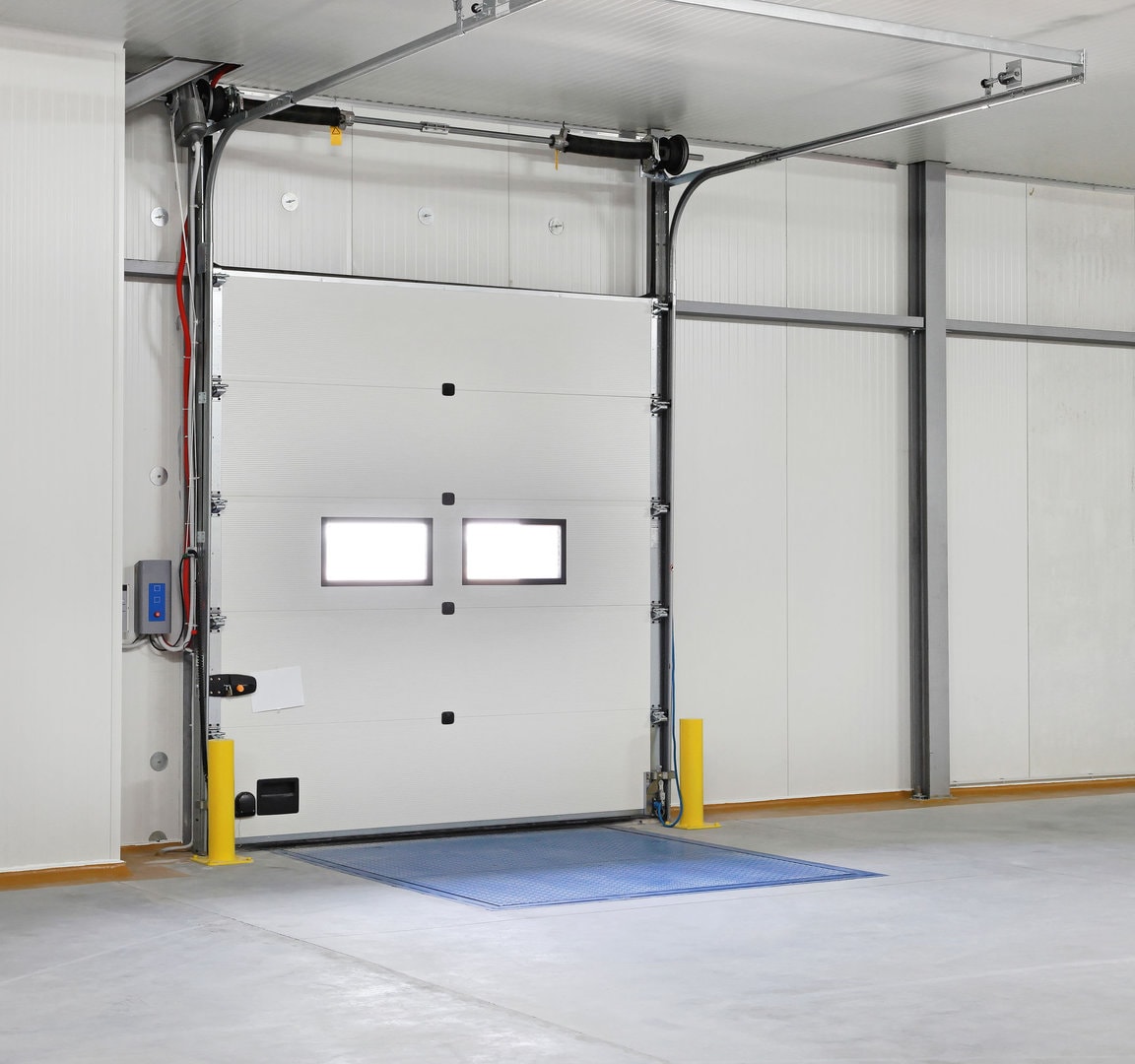
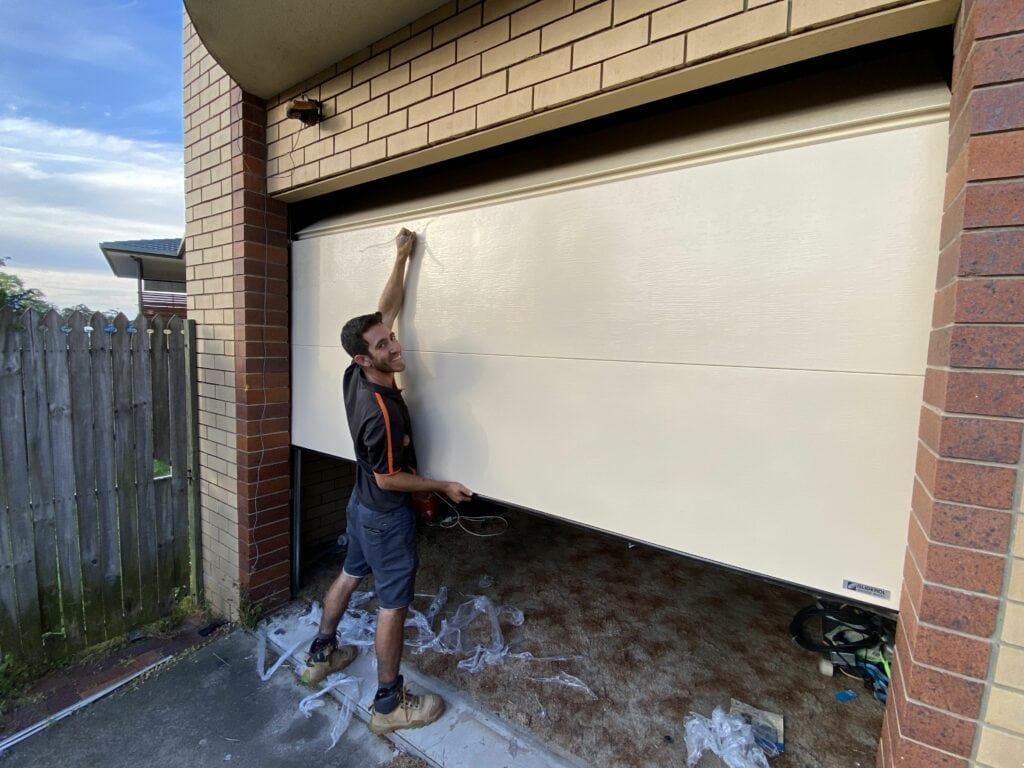
A1 Garage Doors Gold Coast carries a comprehensive inventory of replacement motor units, control boards, capacitors, drive belts, and associated hardware for all major brands including B&D, Merlin, Chamberlain, ATA, and Centurion, ensuring that most motor-related faults can be resolved on the first service visit.
The Gold Coast's high humidity environment creates specific challenges for motor enclosures. Moisture infiltration into the motor housing promotes corrosion on electrical contacts, circuit board traces, and terminal connections, a gradual process that ultimately leads to intermittent faults and eventual complete failure if left unaddressed.
Motor failure in a shared basement parking facility affects every resident simultaneously, making it a higher-priority repair than a single-dwelling fault.
Smart motor systems with Wi-Fi connectivity and smartphone integration offer real-time status monitoring, automatic closure features, and access history logging. When these advanced units develop faults, diagnosis requires familiarity with both the mechanical hardware and the underlying software platforms, a combination of skills not every technician possesses.
The age of the motor unit is an important factor in the repair versus replacement decision. A motor that is more than ten years old and experiencing its first significant fault may be approaching the end of its viable service life.
Motor noise is a reliable early indicator of developing problems. A drive unit that has become noticeably louder, produces grinding or rattling sounds, or vibrates excessively during operation is signalling that internal components are worn and that a professional inspection should be scheduled before a complete failure occurs.
The manual release mechanism, typically a red cord hanging from the motor trolley, allows a door to be operated by hand during a power outage or motor failure. Homeowners should familiarise themselves with this feature, but should also understand that engaging it does not address the underlying motor fault, which still requires professional attention.
When a new motor is installed, the force settings, travel limits, and auto-reverse sensitivity must all be correctly calibrated to suit the specific door it will be operating.
Energy efficiency is an increasingly relevant consideration in motor selection. Modern DC-powered drive units consume significantly less electricity than older AC motor designs, operate more quietly, and typically include a battery backup feature that maintains door function during power outages, a particularly valuable capability in Queensland's storm season.
Pairing a new motor installation with a simultaneous spring service and roller replacement maximises the value of the technician visit and ensures that the entire system is operating at its best from the outset. Installing a quality new motor onto a worn door system simply transfers the load to the next weakest component.
A1 Garage Doors Gold Coast provides clear, upfront assessments when motor failure is diagnosed, outlining whether the fault is repairable through component replacement or whether a full motor upgrade represents the more sensible and cost-effective path forward given the age and condition of the existing unit.
A functioning garage door motor is fundamental to the security, convenience, and daily routine of every household that depends on automated access. When motor failure disrupts that routine, the expertise and responsiveness of A1 Garage Doors Gold Coast ensures that Gold Coast homeowners have a trusted local team ready to restore full operation without delay.
Robina
 |
This article needs additional citations for verification. (April 2015)
|

A garage door opener is a motorized device that opens and closes a garage door controlled by switches on the garage wall. Most also include a handheld radio remote control carried by the owner, which can be used to open and close the door from a short distance.
The electric overhead garage door opener was invented by C.G. Johnson in 1926 in Hartford City, Indiana.[1] Electric Garage Door openers did not become popular until Era Meter Company of Chicago offered one after World War II where the overhead garage door could be opened via a key pad located on a post at the end of the driveway or a switch inside the garage.[2]
As in an elevator, the electric motor does not provide most of the power to move a heavy garage door. Instead, most of door's weight is offset by the counterbalance springs attached to the door. (Even manually operated garage doors have counterbalances; otherwise, they would be too heavy for a person to open or close them.) In a typical design, torsion springs apply torque to a shaft, and that shaft applies a force to the garage door via steel counterbalance cables. The electric opener provides only a small amount of force to control how far the door opens and closes. In most cases, the garage door opener also holds the door closed in place of a lock.
The typical electric garage door opener consists of a power unit that contains the electric motor. The power unit attaches to a track. A trolley connected to an arm that attaches to the top of the garage door slides back and forth on the track, thus opening and closing the garage door. The trolley is pulled along the track by a chain, belt, or screw that turns when the motor is operated. A quick-release mechanism is attached to the trolley to allow the garage door to be disconnected from the opener for manual operation during a power failure or in case of emergency. Limit switches on the power unit control the distance the garage door opens and closes once the motor receives a signal from the remote control or wall push button to operate the door.[3]
The entire assembly hangs above the garage door. The power unit hangs from the ceiling and is located towards the rear of the garage. The end of the track on the opposite end of the power unit attaches to a header bracket that is attached to the header wall above the garage door. The powerhead is usually supported by punched angle iron.
Recently another type of opener, known as the jackshaft opener, has become more popular.[when?] This style of opener was used frequently on commercial doors but in recent years has been adapted for residential use. This style of opener consists of a motor that attaches to the side of the torsion rod and moves the door up and down by simply spinning the rod. These openers need a few extra components to function safely for residential use. These include a cable tension monitor, to detect when a cable is broken, and a separate locking mechanism to lock the door when it is fully closed. These have the advantage that they free up ceiling space that an ordinary opener and rail would occupy. These also have the disadvantage that the door must have a torsion rod to attach the motor to.
There are six types of garage door openers:
The first wireless garage door openers were invented and developed by two US inventors at the same time, one in Illinois and the other in Washington state, around 1930. They were unknown to each other.[4]
The first garage door opener remote controls were simple and consisted of a simple transmitter (the remote) and receiver which controlled the opener mechanism. The transmitter would transmit on a designated frequency; the receiver would listen for the radio signal, then open or close the garage, depending on the door position. The basic concept of this can be traced back to World War II. This type of system was used to detonate remote bombs. While novel at the time, the technology ran its course when garage door openers became popular. While the garage door remote control transmitter is low power and has limited range, its signal can be received by other, nearby, garage door openers. When two neighbors had garage door openers, then opening one garage door might open the neighbor's garage door as well.
The second stage of the wireless garage door opener system solved the opening-the-neighbor's-garage-door problem. The remote controls on these systems transmitted a digital code, and the receiver in the garage responded only to that code. The codes were typically set by eight to twelve DIP switches on the receiver and transmitter, so they allowed for 28 = 256 to 212 = 4,096 different codes. As long as neighbors used different codes, they would not open each other's garage doors. The intent of these systems was to avoid interference with nearby garage doors; the systems were not designed with security in mind. Intruders were able to defeat the security of these systems and gain entry to the garage and the house. The number of codes was small enough that even an unsophisticated intruder with a compatible remote control transmitter could just start transmitting all possible codes until he found one that opened the door. More sophisticated intruders could acquire a black box master key that automatically transmitted every possible code in a short time. An even more sophisticated method is known as a replay attack. The attacker would use a code grabber, which has a receiver that captures the remote's digital code and can retransmit that digital code at a later time. The attacker with a code grabber would wait nearby for the homeowner to use his remote, capture the code, and then replay the code to open the door when the homeowner was gone. Multicode openers became unpopular in areas where security was important, but due to their ease of programming, such openers are often used to operate such things as the gates in gated apartment complexes.
An intermediate stage of the garage door opener market eliminated the DIP switches and used remotes preprogrammed to one out of roughly 3.5 billion unique codes. The receiver would maintain a security list of remotes to which it would respond; the user could easily add the unique remote's code to the list by pressing a button on the garage door opener while activating the remote control. A large number of codes made the brute force try-all-possible-digital-codes attacks infeasible, but the systems were still vulnerable to code grabbers. For user convenience, these systems were also backward compatible with the older DIP switch remote codes, but adding an old technology remote to the security list made the garage door opener vulnerable to a brute force attack to find the DIP switch code. The larger code space approach was an improvement over the fixed DIP switch codes but was still vulnerable to the replay attack.
The third stage of garage door opener technology uses a frequency spectrum range between 300–400 MHz and rolling code (code hopping) technology to defeat code grabbers. In addition to transmitting a unique identifier for the remote control, a sequence number and an encrypted message are also sent. Although an intruder could still capture the code used to open a garage door, the sequence number immediately expires, so retransmitting the code later would not open the garage door. The encryption makes it extremely difficult for an intruder to forge a message with the next sequence number that would open the door. Some rolling code systems are more involved than others. Because there is a high probability that someone will push the remote's button while not in range and thus advance the sequence number, the receiver does not insist the sequence number increase by exactly one; it will accept a sequence number that falls within a narrow window or two successive sequence numbers in a much wider window. Rolling code technology is also used on car remote controls and with some internet protocols for secure sites.
The fourth stage of garage door opener systems is similar to third stage, but it is limited to the 315 MHz frequency. The 315 MHz frequency range avoids interference from the land mobile radio system (LMRS) used by the U.S. military.
The following standards are used by units manufactured by Chamberlain (including LiftMaster and Craftsman):
| Dates | System | Color of programming button and LED on unit | Color of LED on remote* |
|---|---|---|---|
| 1984–1993 | 8-12 DIP switch on 300–400 MHz | white, gray, or yellow button with red LED | red |
| 1993–1997 | Billion Code on 390 MHz | green button with green or red LED | green |
| 1997–2005 | Security+ (rolling code) on 390 MHz | orange or red button with amber LED | amber or none |
| 2005–2014 | Security+ (rolling code) on 315 MHz | purple button with amber LED | none |
| 2011–2025 | Security+ 2.0 (rolling code) on 310, 315, and 390 MHz | yellow button with amber LED and yellow antenna wires | red or blue |
| 2025–present | Security+ 3.0 (BLE LR) on 2.4 GHz | white button with amber LED | red, amber, or blue |
* Does not apply to keyless entry keypads or universal remotes.
Recent Chamberlain garage door openers that have Security+ 2.0 features also use a special serial protocol on wired connections rather than a simple switch closure.[5]
The following standards are used by units manufactured by Overhead Door Corporation and its subsidiary The Genie Company†:
| Dates | System |
|---|---|
| 1985–1995 | 9–12 DIP switch on 360, 380, or 390 MHz[6][7] |
| 1995–2005 | Intellicode/CodeDodger (rolling code) on 390 MHz |
| 2005–present | Intellicode/CodeDodger (rolling code) on 315 MHz |
| 2011–present | Intellicode 2/CodeDodger 2 (rolling code) on 315 and 390 MHz |
† Note: There are no standard color codes for the learn button or LED on units manufactured by Overhead Door or Genie. All accessories made for later versions of Genie Intellicode and Overhead Door CodeDodger are backward compatible with previous generations of Intellicode and CodeDodger.

Many garage door opener remote controls use fixed-code encoding which use DIP switches or soldering to do the address pins coding process, and they usually use pt2262/pt2272 or compatible ICs. For these fixed-code garage door opener remotes, one can easily clone the existing remote using a self-learning remote control duplicator (copy remote) which can make a copy of the remote using face-to-face copying.
Additional features that have been added over the years have included:
More sophisticated features are also available, such as an integrated carbon monoxide sensor to open the door in case of the garage being flooded with exhaust fumes. Other systems allow door activation over the Internet to allow home owners to open their garage door from their office for deliveries.
Another recent innovation in the garage door opener is a fingerprint-based wireless keypad. This unit attaches to the outside of the garage door on the jamb and allows users to open and close their doors with the press of a finger, rather than creating a personal identification number (PIN). This is especially helpful for families with children who may forget a code and are latchkey kids.

The garage door is generally the largest moving object in a home. An improperly adjusted garage door opener can exert strong and deadly forces and might not reverse the garage door in an emergency. The manufacturer's instructions provide guidance to the user on the proper adjustment and maintenance of the opener.
Garage door openers manufactured and installed in the United States since 1982 are required to provide a quick-release mechanism on the trolley that allows for the garage door to be disconnected from the garage door opener in the event of entrapment.[8] Garage door openers manufactured since 1991 are also required to reverse the garage door if it strikes a solid object.[9][10]
In the United States, the Consumer Product Safety Improvement Act of 1990 required that automatic residential garage door operators manufactured on or after 1 January 1991 conform to the entrapment protection requirements of the 1988 version of ANSI/UL standard 325.[11] A requirement for redundant entrapment-prevention devices was added in 1993; such a system can use an electric eye, a door edge sensor, or any other device that provides equivalent protection by reversing the travel of the closing door if an object is detected in its path.[12][13]
In California, Senate Bill No. 969 requires that any automatic residential garage door opener that is manufactured for sale, sold, offered for sale, or installed in a residence to have a battery backup function that is designed to operate when activated because of an electrical outage.[14] The bill went into effect on July 1, 2019. Under the bill, any automatic garage door opener that is in violation is subject to a civil penalty of $1000.
The bill was passed by Gov. Jerry Brown on Sept. 21, 2018, in response to the 2017 California Wildfires in which at least 5 individuals lost their lives because they could not open their garage door when the power went out.[15]
The Door and Access Systems Manufacturers Association International opposed the bill arguing that garage door openers with backup batteries require regular maintenance and that the bill should be amended to make this clear. In addition, they said that "garage door openers with backup batteries are not designed to serve as life safety devices, and should not be relied upon to prove a means of egress from a garage during an electrical outage."[16]
The bill passed, despite most garage doors having a release pull cord.
A1 Garage Doors Gold Coast services all major Australian garage door brands including B&D, Gliderol, Steel-Line, Centurion, Merlin, Chamberlain, and ATA. The team carries brand-specific parts and components to ensure repairs are completed correctly without compromising existing warranties.